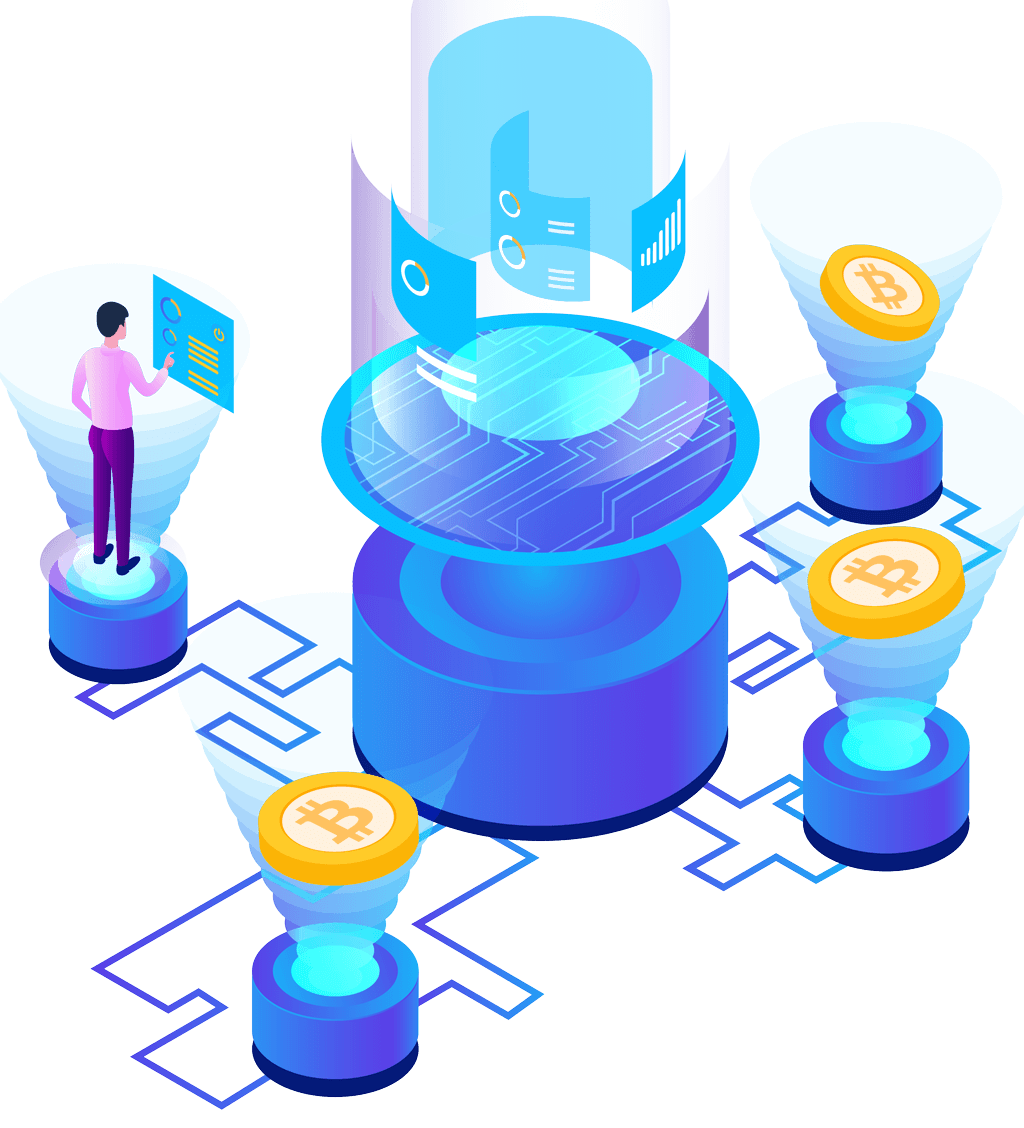
Decentralization is the foundation of blockchain technology and one of its most powerful concepts. It removes the need for central authorities and gives control back to users.
🔹 What Is Decentralization?
Decentralization means that no single entity controls the system. Instead, control is distributed across a network of participants.
In traditional systems:
- Banks control transactions
- Governments control currency
In decentralized systems:
- Smart contracts manage transactions
- Users control their own assets
🔹 Key Benefits of Decentralization
1. Transparency
All transactions are visible on the blockchain.
2. Security
Distributed networks reduce the risk of single points of failure.
3. Control
Users have full ownership of their assets.
4. Trustless Systems
No need to trust intermediaries—code enforces rules.
🔹 How USDTC Uses Decentralization
USDTC is built on BNB Smart Chain and follows a decentralized model:
- No central authority
- No control over user funds
- No transaction reversal
All operations are governed by smart contracts.
🔹 Challenges of Decentralization
While powerful, decentralization comes with challenges:
- No customer support for lost funds
- Responsibility lies with the user
- Irreversible transactions
- Learning curve for beginners
🔹 Why It Matters
Decentralization is important because it:
- Reduces dependency on centralized systems
- Promotes financial freedom
- Encourages innovation
- Enables global participation
🔹 Final Thoughts
Decentralization is not just a technology—it’s a shift in how systems are designed and controlled.
Projects like USDTC provide a real-world example of how decentralized ecosystems function, helping users understand both the benefits and responsibilities involved.